Signs your furnace needs a repair
- It runs, but the air from the vents is cold or barely warm.
- It won’t start, or it starts and shuts off after a few minutes.
- A light on the control board blinks an error code.
- New noises: a bang when the burners light, squealing, rattling or a loud hum.
- Some rooms stay cold while others warm up.
- Your gas or electric bill jumps while you use the heat the same way as before.
What happens on a repair visit
We test the furnace from the thermostat to the vent pipe, find what is causing the problem and go over it with you before any work starts. On a typical visit we check:
- The thermostat, its settings and the low-voltage wiring.
- Ignition: the hot surface igniter or spark igniter, the flame sensor and the gas valve.
- The inducer motor, pressure switch and venting that carry combustion gases outside.
- The limit switches, blower motor and capacitor.
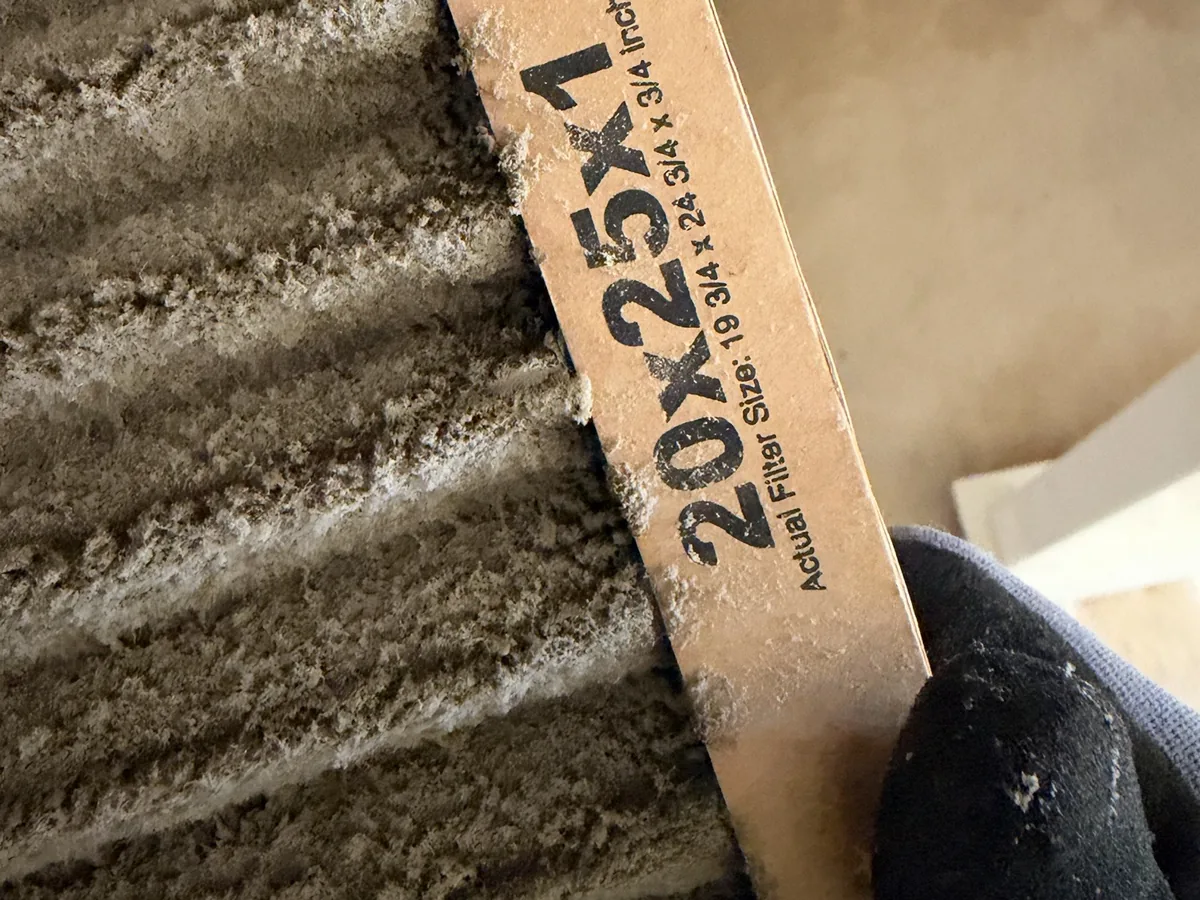
- The air filter and airflow through the system.
- The burners and the visible parts of the heat exchanger.
Common furnace repairs include replacing an igniter, flame sensor, pressure switch, inducer or blower motor, capacitor, control board or gas valve.
Price and warranty
- Visit and diagnosis: $49 per system through November 30, 2026, the same price evenings and weekends. If you approve the repair, we waive the $49 fee: you pay only for the repair and parts. Residential only. Full offer terms.
- The price first. You get the price for the repair before we start. If we find something else along the way, we talk to you before doing any more work.
- Written warranty. Residential repairs (all brands) come with our 1-Year Limited Repair Warranty on parts we supply and our labor (3 years with documented annual maintenance by any California-licensed HVAC contractor). Ask us for a copy of the complete written warranty terms before you buy.
Repair or replace?
Every furnace is different, so we look at its age, its condition and what this repair would cost, then price repair and replacement side by side. We recommend the repair whenever it is the better choice for you.
If replacement makes more sense, keep in mind that in California a new furnace needs a permit. We get the permit for you. Because the furnace is the air handler that moves air through your ducts, replacing it usually triggers a duct leakage test checked by an ECC-Rater (formerly called a HERS Rater); see what the code requires for ducts. Many homeowners also compare a heat pump, which both heats and cools, and check the rebates in our area.
Safety first: gas and carbon monoxide
- If you smell gas (a rotten-egg smell), leave the house right away. Don’t use light switches, appliances or phones inside. Once you are outside, call 911 and PG&E at 1-800-743-5000. Call us after the gas utility says it is safe.
- Carbon monoxide alarms. California law requires a carbon monoxide alarm in homes with a gas furnace or another fuel-burning appliance, a fireplace or an attached garage. If the alarm goes off, get everyone outside and call 911.
- Leave the safety switches alone. A furnace that keeps shutting itself off is often protecting you from overheating or from exhaust that isn’t venting properly. Please don’t bypass switches or run it with panels removed. Call us instead.
When we work
We are open 7 days a week, 7am–8pm, with emergency calls until midnight. We serve Fair Oaks, Carmichael, Citrus Heights, Orangevale, Folsom, Roseville, Sacramento and the other communities on our service areas page.
Furnace repair questions
Sources: PG&E, Keep yourself safe from a gas leak; California Health and Safety Code section 17926 (carbon monoxide devices); California Energy Commission, guidance for homeowners and HVAC FAQ. Checked October 2026.