Home › Services › Ducts, Ventilation & Air Quality
Ductwork, Ventilation & Indoor Air Quality
We replace, repair and seal ducts, design duct systems with ACCA Manual D, install ventilation including ERV and HRV units, set up zoned systems, and add filtration, humidity control and UV lamps across Greater Sacramento.
Ductwork: repair, sealing and replacement
Ducts carry the air your system heats or cools to each room. In many homes around Sacramento they run through the attic, where summer heat and old, leaky joints take a share of that air before it reaches you. Rooms that never feel right, weak airflow at some registers and dust streaks around supply vents are common reasons to have the ducts looked at.
- Repair and sealing. We reconnect loose runs, replace crushed sections and seal joints with duct tapes and mastics rated to UL 181, the materials the California Energy Code calls for.
- Full replacement. We take out the old ducts, install a new insulated system and test it for leaks.
- Design with Manual D. For new and replacement systems we size the duct runs with ACCA Manual D, so each room gets the airflow it needs.
See our photo guide on torn attic duct insulation and what California’s 2025 Energy Code requires for real examples of attic duct wear and how we repair or replace it.
What California requires
The 2025 California Energy Code (Title 24, Part 6) applies to permits applied for on or after January 1, 2026. For duct work in a single-family home it says:
- When more than 25 feet of new or replacement ducts are installed, ducts in an attic or other unconditioned space need at least R-8 insulation in our area (Climate Zones 11 and 12), and the whole duct system has to pass a leakage test checked by an independent ECC-Rater (formerly called a HERS Rater).
- A completely new duct system may leak no more than 5 percent of the air handler’s airflow.
- Replacing an air conditioner or heat pump unit, an air handler or a coil also triggers a duct leakage test, unless the ducts are shorter than 40 feet, were already tested and sealed, or contain asbestos.
The California Energy Commission puts the permit rule plainly: “when an HVAC unit is replaced or altered, a permit is required.” We get the permit for you and schedule the ECC-Rater visit, so your city or county can inspect the work and close the permit.
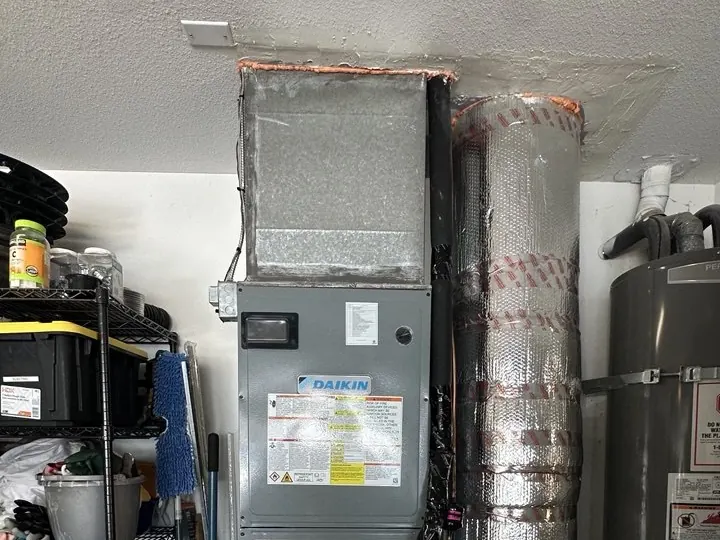
Ventilation: ERV, HRV and exhaust systems
Newer homes are built tight, so fresh air has to be brought in on purpose. The Energy Code requires whole-house mechanical ventilation in every new home, following ASHRAE Standard 62.2, and open windows don’t count toward it. An addition of more than 1,000 square feet brings the same requirement for the whole house.
- ERV and HRV units bring in outdoor air and exhaust stale air at the same time, passing heat between the two airstreams so less of your heating or cooling goes out with the stale air. An ERV also passes some moisture between them. An HRV passes heat only.
- Exhaust ventilation systems remove stale air from the house on a set schedule or on demand.
We install and service both kinds and set the airflow to what the code calls for. In new homes that airflow is verified by an ECC-Rater.
Zoning
A zoned system divides the house into areas with their own thermostats. Motorized dampers in the ducts open and close, so the system heats or cools only the zones that are calling: an upstairs that runs hot in summer, a room over the garage, a home office.
We install and service zone dampers, zone panels and thermostats from any major manufacturer. On a new or fully replaced system, the Energy Code requires a zoned cooling system to keep at least 350 cfm of airflow per ton in every zone setting, checked by an ECC-Rater, so we size the dampers and ducts to keep enough air moving when only one zone calls.
Indoor air quality: filters, humidity and UV
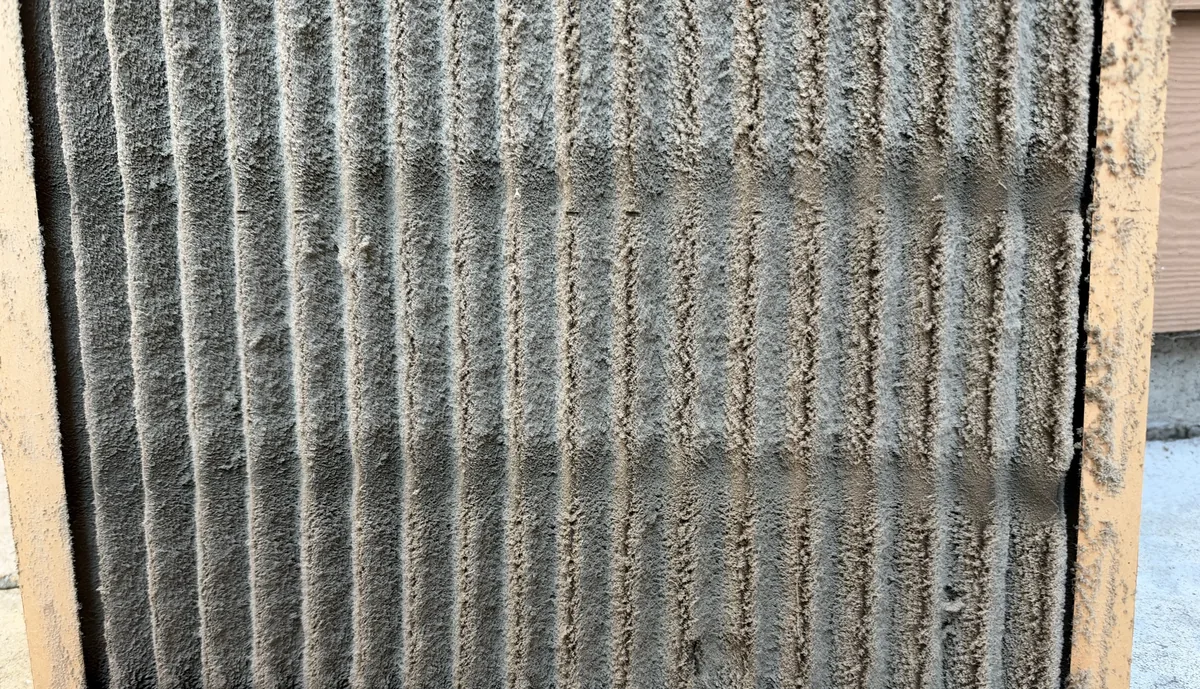
- Better filters. The U.S. EPA suggests a filter rated at least MERV 13, “or as high a rating as your system fan and filter slot can accommodate.” We check what your system can take. When the slot is too small, we can add a deeper media filter cabinet (4 to 5 inches) that holds a larger filter.
- Whole-house humidifiers. Winter heating dries the air indoors. A humidifier mounted on the furnace or air handler adds moisture to the air going to every room.
- Whole-house dehumidifiers. For homes that stay damp, a dehumidifier tied into the duct system removes moisture without leaning on the air conditioner alone.
- UV lamps. A UV lamp near the indoor coil can help keep the coil and drain pan clean. The EPA describes UV as an addition to good filtration, not a replacement for it. Some manufacturers test their lamps against airborne bacteria and viruses; ask us for the test data for the model we quote.
How a job goes
- We look at the system, the ducts and the rooms you have trouble with, and take the measurements we need.
- You get a written price before any work starts.
- We get the permit for you, do the work, run our tests and schedule the ECC-Rater.
- Our residential installations come with our written limited warranty. Warranty terms
Our technicians are EPA 608 certified for refrigerant handling.
Questions we hear
Sources: California Energy Commission, 2025 Building Energy Efficiency Standards (Sections 150.0(m), 150.0(o), 150.2) and Energy Code Compliance (ECC) Program; CEC guidance for homeowners; U.S. EPA, What is a MERV rating? and UV lamps and mold. Checked October 2026.